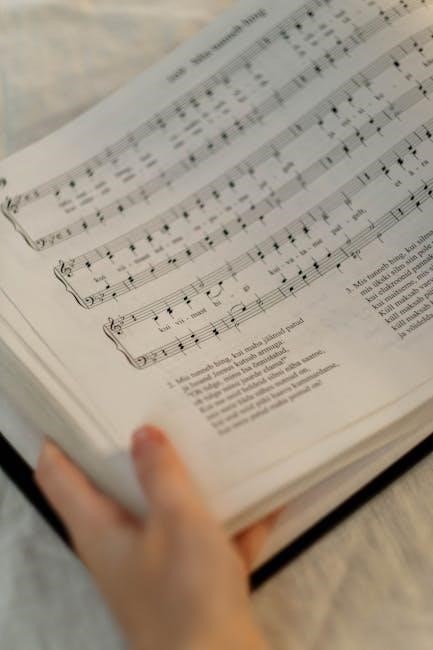
The Phantom of the Opera: A Guide to Sheet Music PDFs
Finding Phantom of the Opera sheet music PDFs online is readily achievable, with resources like the Internet Archive, MuseScore, and Popiano offering diverse options.
Availability of Full Scores
Locating a complete, full score for The Phantom of the Opera can be challenging, but not impossible. The Internet Archive currently hosts a digitized version, identified as “phantom-of-the-opera-full-score” (ark:/13960/s2gs4qrf575), processed with Tesseract OCR.
However, be aware that the OCR detection flagged some Arabic script alongside English, potentially impacting accuracy. Full scores encompass all instrumental and vocal parts, offering a comprehensive view of Webber’s orchestration. These are typically favored by conductors and serious musicians for in-depth study and performance preparation. While readily available, accessing a pristine, error-free full score might require purchasing a professionally printed edition.
Internet Archive Resources
The Internet Archive serves as a valuable, free repository for Phantom of the Opera sheet music. A full score is currently available, identified by “phantom-of-the-opera-full-score” (ark:/13960/s2gs4qrf575). This digitized version, processed on January 31, 2024, utilizes Tesseract OCR for text recognition.
Users should note the OCR detected both English and Arabic script, with a confidence level of 0.6102 for the latter, potentially introducing inaccuracies. Beyond the full score, exploring the Internet Archive with relevant keywords may uncover additional, fragmented scores or arrangements. Remember to carefully review any downloaded material for clarity and correctness before use.
MuseScore.com Options
MuseScore.com presents a vibrant community-driven platform for Phantom of the Opera sheet music. Users can freely download, print, and share arrangements for piano, guitar, flute, and other instruments. The site boasts over 1,000,000 sheets, including numerous contributions related to Andrew Lloyd Webber’s masterpiece.
The availability spans various skill levels and song selections. It’s a dynamic resource, constantly updated with new user-submitted scores. While generally reliable, quality can vary depending on the arranger. Always preview the sheet music before downloading to ensure it meets your needs and accurately reflects the intended composition. Consider supporting creators through MuseScore’s features.
Popiano.org Free Sheet Music
Popiano.org offers a substantial catalog of free sheet music, including options for The Phantom of the Opera. With a database exceeding 99,912 PDF music sheets, it’s a valuable resource for pianists seeking accessible arrangements. The site caters to various skill levels, providing pop piano scores and easy piano lessons for adults.
Popiano.org focuses on simplifying popular songs, often including chord symbols to aid learning. Beyond sheet music, they offer an online course and resources for playing piano by ear. Users can readily download PDF scores, though it’s advisable to review the arrangements for accuracy before performance.
Specific Song Sheet Music Availability
Popular songs like “Think of Me,” the title song, “All I Ask of You,” and “Music of the Night” all have sheet music PDFs available online.
“Think of Me” Sheet Music
Sheet music for “Think of Me” from The Phantom of the Opera is widely accessible in PDF format. Multiple websites, including MuseScore.com, host free arrangements for piano, catering to various skill levels. The Internet Archive also potentially contains full scores including this piece, though availability can vary.
These PDFs often include both the melody line and accompanying piano parts, allowing pianists to recreate the song’s beautiful and evocative sound. Some versions may be simplified for beginners, while others offer more complex arrangements for advanced players. Searching specifically for “Think of Me sheet music PDF” will yield numerous results, offering options for download and printing.
Furthermore, the availability extends beyond piano, with some arrangements existing for other instruments like guitar and flute, though piano remains the most prevalent format.
“The Phantom of the Opera” (Title Song) Sheet Music
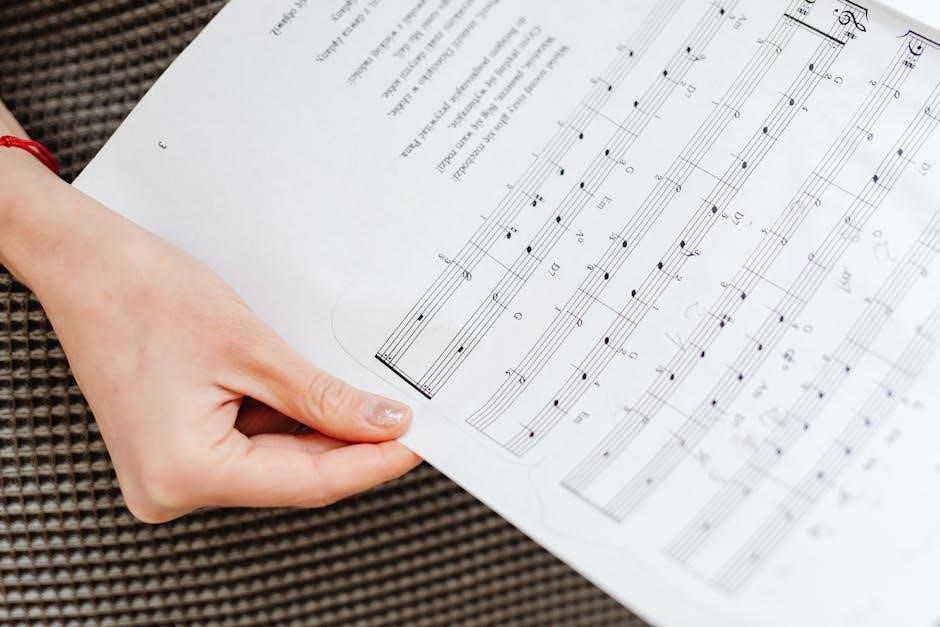
The iconic title song, “The Phantom of the Opera,” boasts substantial availability in PDF sheet music format. MuseScore.com is a prime resource, offering numerous free downloads for piano, often with varying levels of difficulty. The Internet Archive may also contain full orchestral scores or piano reductions including this dramatic piece.
These PDFs typically feature piano arrangements suitable for intermediate to advanced players, capturing the song’s powerful melody and complex harmonies. Searching for “The Phantom of the Opera sheet music PDF” will reveal a wide range of options, including vocal scores and instrumental arrangements.
Popiano.org also provides free PDF sheet music, potentially including arrangements of this famous song, catering to those seeking accessible options for learning and performance.
“All I Ask of You” Sheet Music
The beloved duet, “All I Ask of You,” is widely available as sheet music in PDF format, catering to vocalists and instrumentalists alike. MuseScore.com presents a substantial collection of free arrangements, encompassing piano, vocal scores, and even guitar adaptations. These options vary in complexity, accommodating different skill levels.
Internet Archive resources may include full scores or piano reductions featuring this romantic piece, offering a more comprehensive musical experience. Popiano.org also provides free PDF sheet music, potentially including arrangements tailored for piano players.
Searching specifically for “All I Ask of You sheet music PDF” yields numerous results, allowing users to find arrangements suited to their preferences and abilities.
“Music of the Night” Sheet Music
“Music of the Night,” a signature piece from The Phantom of the Opera, boasts plentiful sheet music options in PDF format. MuseScore.com is a prime resource, offering free downloads for piano, vocal arrangements, and potentially other instruments. These arrangements range from simplified versions for beginners to more challenging pieces for advanced players.
Popiano.org provides a selection of free PDF sheet music, likely including arrangements of this iconic song. Exploring the Internet Archive may uncover full scores or piano reductions containing “Music of the Night,” though availability can vary.
Dedicated searches for “Music of the Night sheet music PDF” will reveal a diverse range of options to suit different musical needs and skill levels.
Sheet Music Formats & Considerations
PDF format dominates online Phantom sheet music, offering accessibility and portability. Piano sheet music is most prevalent, though guitar and flute options exist.
PDF Format Advantages
PDF (Portable Document Format) is the dominant format for Phantom of the Opera sheet music online, and for excellent reasons. PDFs ensure consistent formatting across various devices and operating systems, preserving the composer’s intended layout. This consistency is crucial for readability and accurate musical interpretation.
Furthermore, PDFs are generally smaller in file size compared to other formats, making them quicker to download and easier to store. They are also widely compatible, requiring only a free PDF reader like Adobe Acrobat Reader to view – eliminating software compatibility issues; The format’s inherent security features also help protect the copyright of the sheet music, though unauthorized distribution remains a concern. PDFs allow for easy printing, enabling musicians to have a physical copy for practice and performance.
Piano Sheet Music Prevalence
Piano sheet music for The Phantom of the Opera significantly outweighs arrangements for other instruments in the available PDF resources. This is due to the show’s strong piano-driven score and the instrument’s popularity among musicians. Websites like MuseScore and Popiano showcase a vast collection of piano scores, ranging from simplified beginner arrangements to complex, full orchestral reductions for advanced players.
The piano parts often include vocal melodies, making them suitable for vocal practice alongside accompaniment. Many PDFs offer both solo piano versions and accompaniment tracks. This prevalence provides pianists of all skill levels ample opportunity to learn and perform iconic songs from the musical, like “Music of the Night” and “All I Ask of You.”
Guitar Sheet Music Options
While piano sheet music dominates the online landscape for The Phantom of the Opera, guitar arrangements are available, though less abundant. MuseScore.com presents a selection of guitar tabs and sheet music, catering to both acoustic and electric guitarists. These options often include simplified chord charts for beginners, allowing them to strum along with the melodies.
However, finding fully transcribed, note-for-note guitar arrangements mirroring the orchestral complexity can be challenging. Many guitar PDFs focus on adapting vocal melodies or key instrumental themes for solo guitar performance. Players may need to adapt piano scores or create their own arrangements for a truly authentic rendition of the musical’s rich harmonies.
Flute Sheet Music Availability
Flute arrangements for The Phantom of the Opera, while not as plentiful as piano or guitar options, can be located online, primarily through community-driven platforms like MuseScore.com. These typically feature arrangements of melodic lines from key songs, such as “Think of Me” or sections of the title song, adapted for the flute’s range and timbre.
Often, these flute scores are created by individual musicians and shared freely. Expect to find varying levels of accuracy and completeness; some arrangements may be simplified or focus on specific instrumental parts. Searching for “Phantom of the Opera flute solo” or related terms on MuseScore will yield the most relevant results, though dedicated full orchestral flute parts are rare.
Finding Sheet Music for Different Skill Levels
Sheet music ranges from beginner-friendly simplified arrangements to advanced, full orchestral scores, catering to diverse piano skill levels and musical ambitions.
Beginner Piano Arrangements
For aspiring pianists, simplified arrangements of Phantom of the Opera songs are widely available as PDFs. These versions typically feature easier chord progressions, reduced rhythmic complexity, and melodies adapted for less experienced players.
Websites like MuseScore.com and Popiano.org host numerous beginner-level sheet music options, often focusing on iconic tunes like “Think of Me” and “All I Ask of You.” These arrangements prioritize playability, often omitting intricate ornamentation or complex harmonies found in the original scores.
Beginner arrangements frequently include simplified right-hand melodies and basic left-hand accompaniments, making them ideal for those just starting their piano journey. Look for versions specifically labeled as “easy” or “beginner” to ensure suitability.
Intermediate Piano Arrangements
Intermediate piano arrangements of Phantom of the Opera selections strike a balance between accuracy and playability. These PDFs generally retain more of the original harmonic and melodic content than beginner versions, introducing more complex chords and rhythmic patterns.
Resources like MuseScore.com offer a substantial collection of intermediate sheet music, including arrangements of “Music of the Night” and portions of the title song. Expect to encounter more elaborate accompaniment patterns and potentially some octave work.
Players at this level should be comfortable with basic music theory, sight-reading, and have a solid foundation in piano technique. These arrangements often require a greater degree of coordination and musical expression.
Advanced Piano Arrangements
Advanced piano arrangements of Phantom of the Opera music represent the most challenging options available in PDF format. These scores aim for a faithful reproduction of the orchestral sound, demanding significant technical skill and musical maturity from the pianist.
Full scores, sometimes found on the Internet Archive, present the complete orchestral parts, often condensed for piano. Expect complex harmonies, rapid passages, and intricate voicing. These arrangements require a deep understanding of musical structure.
Players tackling these pieces should possess advanced sight-reading abilities, a strong command of pedaling, and the capacity to interpret nuanced musical phrasing. These are often concert-level arrangements, suitable for experienced performers.
Legal and Copyright Considerations
Copyright laws protect Phantom of the Opera sheet music; free PDFs may infringe on rights, while paid versions ensure legal access and composer support.
Copyright Status of Sheet Music
Understanding the copyright status of Phantom of the Opera sheet music is crucial. Andrew Lloyd Webber’s compositions are generally protected by copyright, meaning unauthorized reproduction and distribution are illegal. Many free PDF versions circulating online may violate these copyrights, potentially leading to legal repercussions for both the distributor and the user.
However, arrangements and transcriptions created by individual users and uploaded to platforms like MuseScore.com may have different copyright implications, often falling under fair use for educational purposes. Officially published sheet music, available for purchase, guarantees adherence to copyright laws and supports the composer and publishers. Always verify the source and licensing terms before using any sheet music PDF to ensure compliance.
Free vs. Paid Sheet Music
The availability of free Phantom of the Opera sheet music PDFs is extensive, with sites like Popiano.org and MuseScore.com offering numerous options. However, quality and accuracy can vary significantly with free resources. Often, these PDFs are user-submitted transcriptions, potentially containing errors or incomplete arrangements.
Paid sheet music, sourced from official publishers, generally provides higher-quality, professionally arranged scores with accurate notation and complete parts. While requiring an investment, paid options ensure a reliable and legally compliant resource. Consider your skill level and desired accuracy when choosing; free PDFs are suitable for casual practice, while paid versions are ideal for serious study and performance.
Using Sheet Music for Performance
When utilizing Phantom of the Opera sheet music PDFs for performance, understanding copyright is crucial. Public performances generally require licensing from the copyright holder, even if the sheet music was obtained legally. Ensure compliance to avoid legal issues, especially in commercial settings.
For solo practice, freely available PDFs are often sufficient, but for ensemble work or public concerts, investing in professionally arranged, licensed scores is highly recommended. These versions offer greater accuracy and clarity, benefiting both performers and audiences. Always verify the legality of your sheet music source before any public display or recording.
Resources for Learning to Play
Numerous online piano tutorials complement Phantom sheet music PDFs, while some PDFs include chord symbols aiding learning and vocal score availability enhances practice.
Online Piano Tutorials
Complementing sheet music PDFs, a wealth of online piano tutorials can significantly aid in learning Phantom of the Opera pieces. YouTube hosts numerous channels offering guided lessons, breaking down complex passages into manageable sections. Many tutorials specifically focus on arrangements found on platforms like MuseScore and Popiano.
These resources often provide slow-motion demonstrations, hand position guidance, and explanations of musical phrasing. Beginners can benefit from tutorials geared towards simplified arrangements, while advanced players can explore interpretations of the full orchestral scores. Searching for specific song titles (“Think of Me” tutorial, for example) yields targeted results. Utilizing these tutorials alongside the PDF sheet music accelerates the learning process and enhances musical understanding.
Sheet Music with Chord Symbols
For musicians who wish to accompany themselves or collaborate with others, finding Phantom of the Opera sheet music featuring chord symbols is invaluable. While full orchestral scores often lack these, arrangements geared towards vocalists or piano accompaniment frequently include them. Popiano.org, a resource for free PDF sheet music, sometimes offers versions with chord progressions.
These chord symbols allow guitarists, ukulele players, or pianists to provide harmonic support. Searching specifically for “Phantom of the Opera chords” alongside “sheet music” can uncover useful resources. Even if a PDF doesn’t initially display chords, some online tools can automatically generate them, though accuracy may vary. This feature greatly expands the accessibility of the music.
Vocal Score Availability
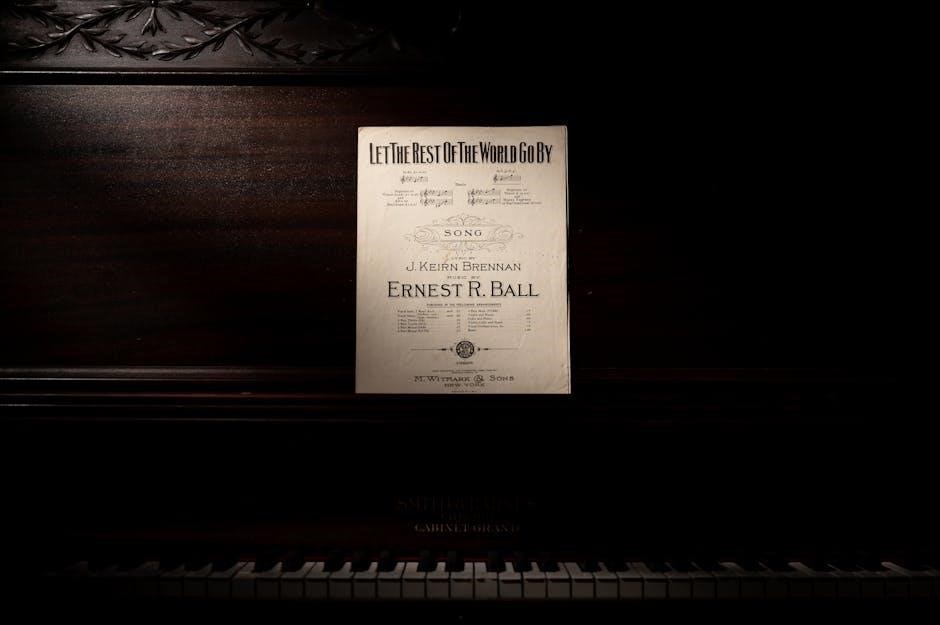
Vocal scores for The Phantom of the Opera are widely available in PDF format, catering to singers and those studying vocal performance. These scores typically include the melody line, lyrics, and piano accompaniment, omitting the full orchestral arrangement. The Internet Archive hosts several vocal score excerpts and potentially complete versions, though quality can vary.
MuseScore.com also boasts a substantial collection of vocal scores, often created by users and ranging in accuracy and completeness. Searching for specific songs like “Think of Me vocal score PDF” yields targeted results. Vocal scores are essential for rehearsals, auditions, and performances focusing on the vocal aspects of this iconic musical.
Understanding Different Score Types
Scores range from full orchestral arrangements to simplified piano reductions and vocal scores, each serving unique purposes for musicians and study.
Full Score vs. Vocal Score
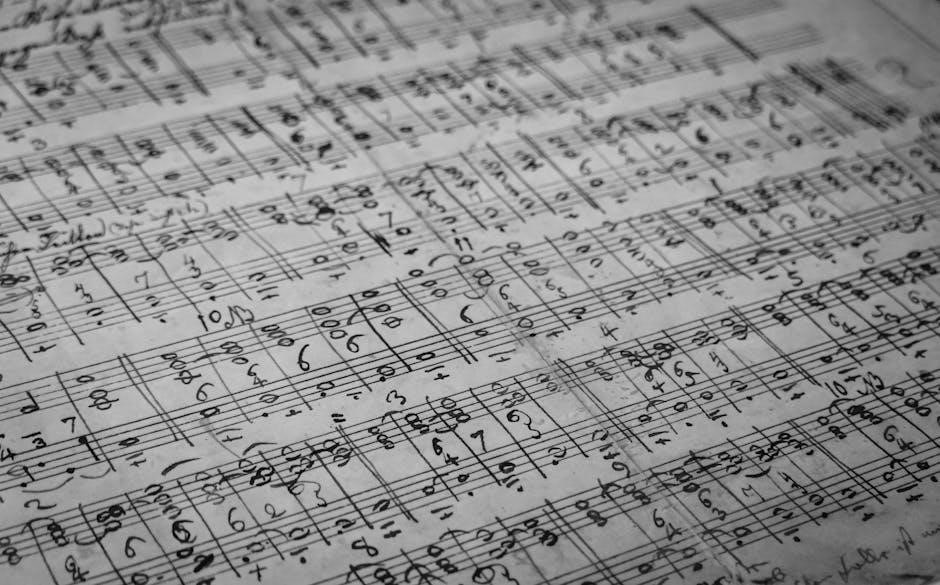
A full score meticulously displays all instrumental parts of the orchestral arrangement for “The Phantom of the Opera,” offering a comprehensive view for conductors and composers. It’s a complex document, demanding significant musical literacy. Conversely, a vocal score prioritizes the singers’ parts – melody lines and lyrics – accompanied by a piano reduction of the orchestral accompaniment.
This makes vocal scores ideal for vocalists, coaches, and those wanting to follow the narrative through the sung portions. The Internet Archive provides access to full scores, while vocal scores are more commonly found on platforms like MuseScore.com. Choosing between them depends on your musical role and analytical needs; a full score is for deep study, a vocal score for performance practice.
Condensed Score vs. Piano Reduction
Condensed scores represent a compromise between the full orchestral score and a simple piano reduction. They aim to show a more manageable version of the orchestral texture, often grouping instruments into sections on fewer staves. This offers a broader overview than a piano reduction, but remains less detailed than the complete orchestration.
Piano reduction, conversely, transcribes the entire orchestral part into a single piano accompaniment. It’s frequently used for vocal rehearsals and smaller-scale performances. While losing orchestral color, it’s practical and readily available. Resources like MuseScore often feature piano reductions. Understanding the difference helps select the appropriate score based on your needs – analysis, rehearsal, or performance context.
Orchestral Score Availability
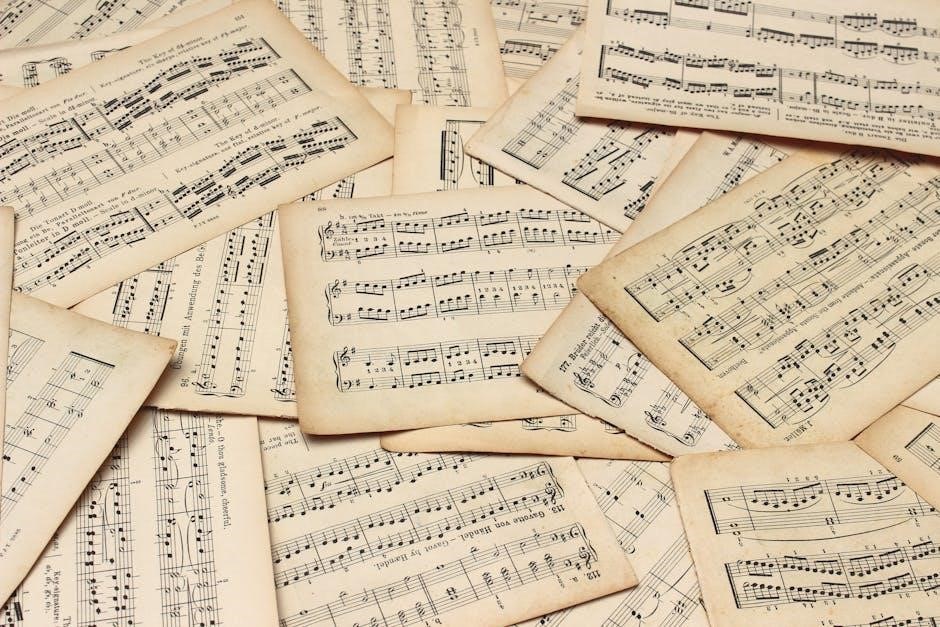
Locating a complete orchestral score for The Phantom of the Opera can be challenging and often requires purchasing from specialized music retailers. The Internet Archive does host a full score, identified as “phantom-of-the-opera-full-score” (ark:/13960/s2gs4qrf575), offering a valuable resource for dedicated musicians and scholars.
However, free, legally accessible orchestral scores are rare due to copyright restrictions. While excerpts might surface on various websites, a full, authorized version typically comes at a cost. Expect to find these scores geared towards professional orchestras and advanced musical study, reflecting the complexity of Andrew Lloyd Webber’s iconic composition.
Tools for Viewing and Editing PDFs
Adobe Acrobat Reader is essential for viewing PDFs, while PDF editors allow annotations on Phantom of the Opera sheet music for practice.
Adobe Acrobat Reader
Adobe Acrobat Reader is a cornerstone for anyone working with PDF sheet music, including scores from The Phantom of the Opera. It’s a free, widely available program that allows you to reliably view, print, and navigate through complex musical arrangements.
While it doesn’t offer extensive editing capabilities, Acrobat Reader provides essential features like zoom functionality for detailed examination of notes and markings, and a search function to quickly locate specific sections within a lengthy score. Its stability ensures accurate rendering of the musical notation, preventing display errors that can occur with less robust PDF viewers.
For simply accessing and reading Phantom of the Opera sheet music PDFs, Adobe Acrobat Reader is an indispensable tool for musicians of all levels;
PDF Editors for Annotations
When studying The Phantom of the Opera sheet music PDFs, PDF editors become invaluable. Unlike basic readers, these programs allow direct annotation – marking dynamics, fingerings, or vocal cues. Popular options include Adobe Acrobat Pro (paid) and alternatives like PDF-XChange Editor.
These editors enable musicians to add text comments, highlight passages, and even draw directly onto the score. This is particularly useful for rehearsal notes, practice reminders, or collaborative work with other musicians.
For complex scores, the ability to add layers of annotation without altering the original PDF is crucial. Effectively utilizing these tools enhances learning and performance preparation for pieces like those found in Phantom of the Opera.
Digital Sheet Music Readers
For viewing The Phantom of the Opera sheet music PDFs, dedicated digital sheet music readers offer advantages over general PDF viewers. Apps like ForScore (iOS) and Sheet Music Scanner (Android) are designed specifically for musicians. They allow organization into setlists, annotation features, and hands-free page turning via Bluetooth pedals.
These readers often include tools for adjusting brightness and contrast, crucial for comfortable reading during performances. Many support importing PDFs from various sources, including cloud storage.
Furthermore, some readers offer audio playback features, allowing musicians to listen to recordings alongside the score, aiding in interpretation and learning complex passages from the musical.