
Contemporary policing faces multifaceted challenges, including digitalization, human rights concerns, and evolving legal frameworks.
Research, like that found in relevant PDFs, explores these issues,
highlighting the need for adaptation and accountability within law enforcement agencies.
The Evolving Landscape of Law Enforcement
The modern policing environment is undergoing a rapid transformation, driven by technological advancements and shifting societal expectations. Issues like mass surveillance, as detailed in resources like Maras M.-H. (2012), present complex dilemmas regarding privacy and security. Simultaneously, the need for greater accountability and transparency is paramount, prompting the adoption of body-worn cameras and civilian oversight boards.
Digitalization necessitates adapting legislation to address new forms of crime and evidence collection. The intersection of judicial and court culture with evolving law enforcement practices requires careful consideration, as highlighted by Alferova (2022). Furthermore, understanding the psychological impact of policing, including stress and trauma, is crucial for officer well-being and effective performance. Research into psychological capital and police involvement, as explored by Oссе, offers valuable insights.
The Significance of Christopher James Utecht’s Work
While direct information regarding Christopher James Utecht’s specific contributions isn’t explicitly present in the provided text snippets, the context suggests his work likely addresses critical contemporary policing issues. The overarching themes – accountability, transparency, digitalization, and psychological well-being – represent areas where his research would be highly relevant.
Considering the focus on legal and cultural challenges within law enforcement, Utecht’s work potentially examines the complexities of adapting legal frameworks to a digital society. His insights could also contribute to understanding the interplay between judicial, court, and legal cultures. Furthermore, given the emphasis on officer mental health, his research may explore strategies for mitigating stress and trauma within policing, aligning with Oссе’s work on psychological capital.
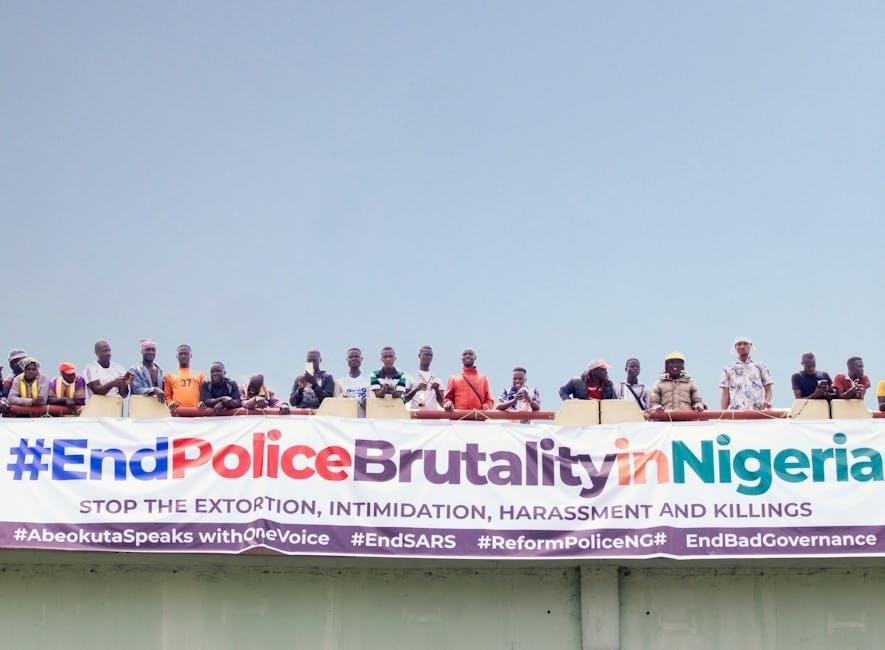
Accountability and Transparency in Policing
Modern policing demands increased accountability, driven by concerns over misconduct and abuse of power. Transparency initiatives, like body-worn cameras, are crucial for building trust.
Body-Worn Cameras and Evidence Collection
The implementation of body-worn cameras (BWCs) represents a significant shift in evidence collection and police accountability. While intended to enhance transparency and provide objective records of interactions, their deployment isn’t without complexities. Issues surrounding data storage, privacy concerns, and policies regarding when cameras must be activated are central to ongoing debates.
Effective BWC programs require clear guidelines on data access, retention, and public disclosure. Furthermore, the sheer volume of footage generated presents logistical challenges for law enforcement agencies. Analyzing this data for investigative purposes demands resources and potentially, advanced technological solutions. The potential for algorithmic bias in analyzing footage also warrants careful consideration, ensuring fairness and avoiding discriminatory outcomes. Ultimately, BWCs are a tool, and their effectiveness hinges on thoughtful implementation and robust oversight.
Civilian Oversight Boards: Roles and Effectiveness
Civilian Oversight Boards (COBs) are increasingly utilized as mechanisms to enhance police accountability and build community trust. These boards typically comprise citizens who review complaints against officers, investigate misconduct allegations, and recommend disciplinary actions; However, their effectiveness varies significantly depending on their structure, authority, and resources.
A key debate centers on the level of independence granted to COBs. Boards with investigative and subpoena power generally exert greater influence than those limited to reviewing internal affairs investigations. Access to information, including body-worn camera footage, is crucial for thorough and impartial reviews. Challenges include ensuring diverse representation on boards and overcoming resistance from police unions or departments wary of external scrutiny. Ultimately, a COB’s success relies on genuine collaboration and a commitment to transparency from all stakeholders.
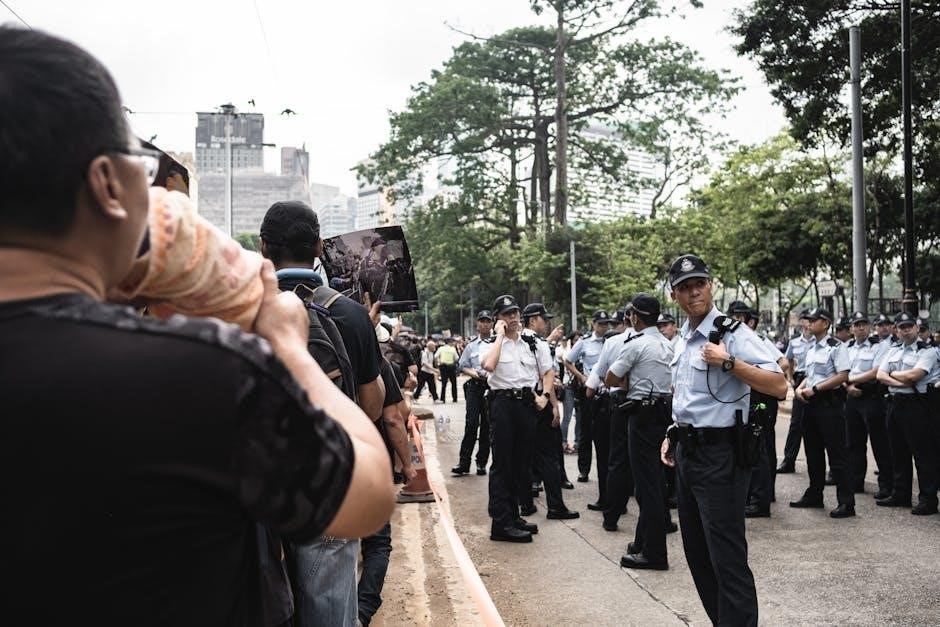
Data-Driven Policing and Algorithmic Bias
Data-driven policing leverages statistical analysis and predictive algorithms to anticipate crime hotspots and allocate resources efficiently. While promising, this approach raises significant concerns about algorithmic bias and potential for discriminatory practices. Algorithms trained on historical crime data, which often reflects existing biases in policing, can perpetuate and amplify those biases, leading to disproportionate targeting of specific communities.
The use of predictive policing tools necessitates careful scrutiny to ensure fairness and equity. Transparency in algorithm design and data sources is paramount, alongside ongoing evaluation for disparate impacts. Concerns regarding mass surveillance measures, as highlighted in contemporary research, further complicate the ethical landscape. Mitigating bias requires diverse data sets, robust auditing mechanisms, and a commitment to accountability when algorithmic errors occur.
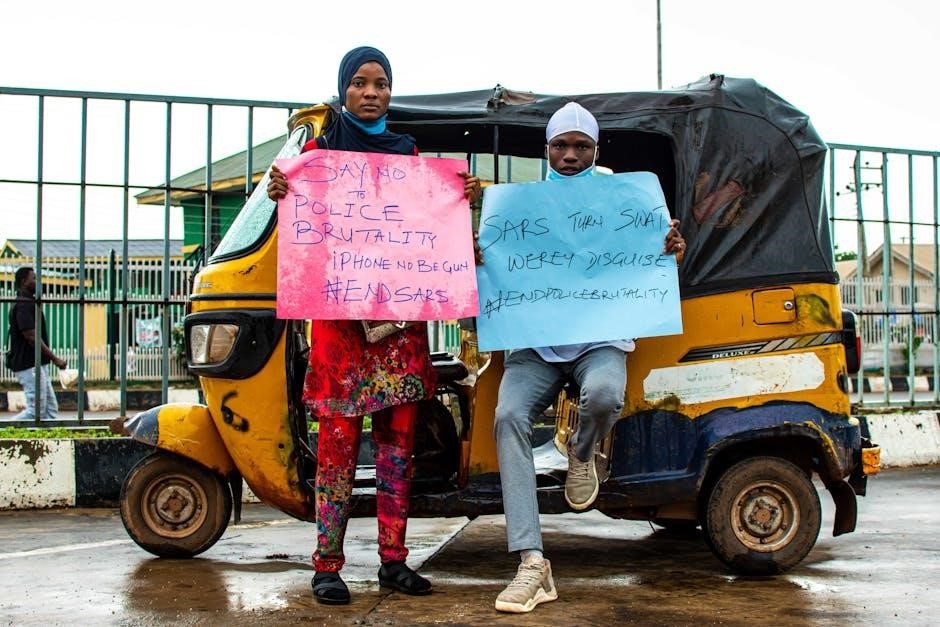
Legal and Cultural Challenges
Adapting legislation to a digital society is crucial, alongside clarifying legal, judicial, and court cultures. Contemporary issues demand a re-evaluation of established norms.
Understanding Legal Culture in Law Enforcement
Legal culture within law enforcement represents a complex interplay of formal laws, established precedents, and deeply ingrained professional norms. This culture significantly shapes officers’ decision-making processes, influencing how they interpret and apply the law in real-world scenarios. A critical examination reveals a frequent lack of clarity distinguishing between ‘legal culture,’ ‘judicial culture,’ and ‘court culture’ – constructs often used interchangeably in academic literature.
Understanding this internal legal framework is paramount, as it impacts everything from evidence collection and interrogation techniques to use-of-force decisions. Contemporary policing challenges, particularly those arising from digitalization and mass surveillance, necessitate a legal culture that prioritizes constitutional rights and procedural fairness. Furthermore, ongoing research emphasizes the need for continuous professional development to ensure officers remain abreast of evolving legal standards and ethical considerations.
The Intersection of Judicial and Court Culture
The interplay between judicial and court culture profoundly impacts policing practices. Judicial culture, encompassing judges’ philosophies and interpretations of the law, sets the boundaries for admissible evidence and acceptable police conduct. Simultaneously, court culture – the norms and expectations within the courtroom environment – influences how cases are presented, argued, and ultimately decided;
A disconnect between these cultures and the realities of policing can lead to evidentiary challenges, dismissed cases, and eroded trust. Contemporary issues, such as algorithmic bias in data-driven policing, require courts to critically assess the validity and fairness of evidence derived from new technologies. Understanding this intersection is crucial for fostering a more just and effective legal system, ensuring accountability for both law enforcement and the judiciary.
Adapting Legislation to Digital Society
Rapid digitalization necessitates a continuous reassessment of existing legislation governing policing. Current laws, often predating widespread internet use and advanced surveillance technologies, struggle to address novel challenges like data privacy, mass surveillance, and cybercrime. The need to balance security with individual rights is paramount, requiring careful consideration of the consequences of expansive digital monitoring.
Adapting legislation demands a nuanced approach, acknowledging both the potential benefits of technology in crime prevention and the risks to civil liberties. This includes clarifying legal frameworks surrounding data collection, storage, and usage, as well as establishing robust oversight mechanisms to prevent abuse. Failure to modernize legal structures risks undermining public trust and hindering effective law enforcement in the digital age.

Psychological Aspects of Policing
Police officers experience unique stressors, impacting their psychological well-being and performance. Research emphasizes the importance of psychological capital and mental health support for personnel.
Psychological Capital and Police Involvement
Understanding the psychological capital of law enforcement officers is crucial for enhancing their engagement and effectiveness. Recent studies, as evidenced in available research PDFs, delve into the constructs of self-efficacy, optimism, hope, and resilience within policing. These elements significantly influence an officer’s commitment to their duties and their ability to navigate the inherent challenges of the profession.
Increased involvement in official activities is directly correlated with higher levels of psychological capital. Officers possessing these positive psychological attributes demonstrate greater problem-solving skills, improved decision-making under pressure, and a stronger dedication to upholding the law. Furthermore, fostering psychological capital can mitigate the negative impacts of occupational stress and trauma, leading to a more sustainable and productive workforce.
Investments in programs designed to build and maintain psychological capital are therefore essential for modern policing strategies.
The Impact of Stress and Trauma on Officers
Law enforcement is inherently stressful, exposing officers to traumatic events that can have profound psychological consequences. Research, often detailed in contemporary policing PDFs, consistently demonstrates a link between frontline duties and increased rates of post-traumatic stress disorder (PTSD), anxiety, depression, and burnout. Cumulative exposure to violence, suffering, and critical incidents erodes officers’ mental wellbeing.
The impact extends beyond individual officers, affecting their families, colleagues, and the communities they serve. Untreated trauma can manifest as cynicism, emotional detachment, and impaired judgment, potentially leading to misconduct or excessive force. Recognizing these risks is paramount for proactive intervention.
Addressing this requires a shift towards prioritizing officer mental health, providing comprehensive support systems, and destigmatizing help-seeking behaviors within the profession.
Mental Health Support for Law Enforcement Personnel
Robust mental health support is crucial for mitigating the psychological toll on law enforcement personnel. Contemporary research, accessible through policing-focused PDFs, emphasizes the need for proactive, rather than reactive, interventions. This includes providing access to confidential counseling services, peer support programs, and evidence-based therapies specifically tailored to address trauma and stress.
Effective programs incorporate regular mental health screenings, resilience training, and strategies for managing critical incident stress. Crucially, fostering a culture of openness and reducing the stigma associated with seeking help is essential. Leadership must champion mental wellbeing and prioritize officer self-care.
Investment in comprehensive mental health resources isn’t merely a benefit; it’s a necessity for maintaining a healthy, effective, and ethical police force.
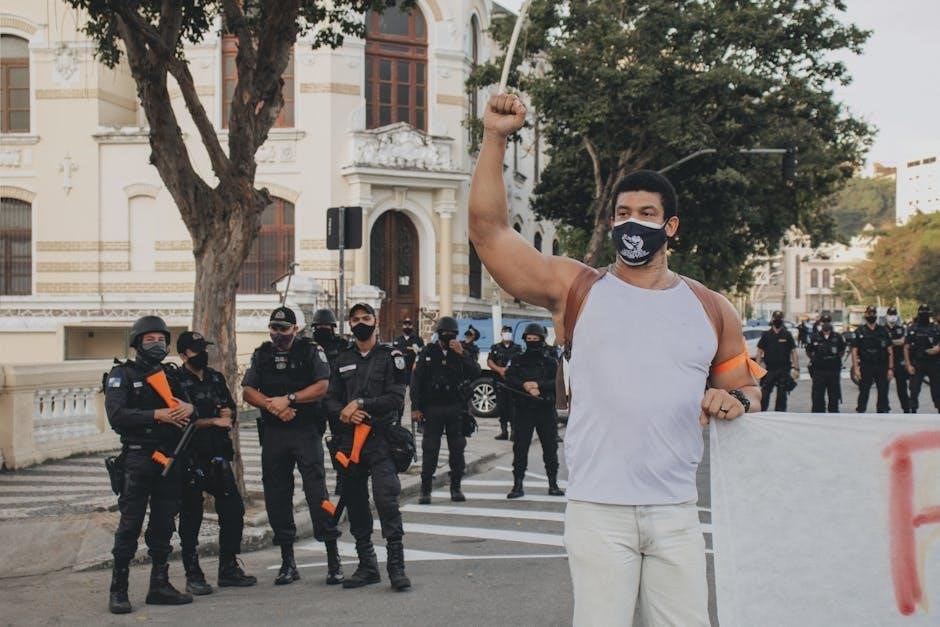
Human Rights and Policing
Balancing security with individual rights remains a central challenge, as police actions must adhere to human rights standards, addressing misconduct and abuse of power.
Balancing Security with Individual Rights
The inherent tension between maintaining public safety and safeguarding individual liberties defines a core dilemma in contemporary policing. Law enforcement agencies increasingly employ advanced technologies and strategies, raising concerns about potential infringements upon privacy and civil liberties. Police actions, while intended to protect communities, must operate within a framework of legal and ethical constraints, respecting fundamental human rights.
This balancing act is particularly crucial in the context of mass surveillance measures, where the collection and analysis of personal data can have far-reaching consequences. Ensuring transparency and accountability in these practices is paramount to prevent abuse of power and maintain public trust. Furthermore, addressing police misconduct and ensuring equitable treatment under the law are essential components of upholding human rights within the criminal justice system. Research, including analyses found in relevant PDFs, emphasizes the need for ongoing dialogue and reform to navigate this complex landscape effectively.
Addressing Police Misconduct and Abuse of Power
Police misconduct erodes public trust and undermines the legitimacy of law enforcement. Instances of excessive force, discriminatory practices, and corruption demand rigorous investigation and appropriate disciplinary action. A critical challenge lies in establishing effective mechanisms for accountability, ensuring that officers are held responsible for their actions. This includes robust internal affairs processes, independent civilian oversight, and transparent reporting of misconduct allegations.
Furthermore, systemic issues within police culture can contribute to misconduct, necessitating comprehensive reforms in training, policies, and leadership. Addressing implicit bias and promoting de-escalation techniques are vital steps towards fostering a more just and equitable system. Research, often detailed in relevant PDFs, highlights the importance of proactive measures to prevent misconduct and rebuild community relations. Ultimately, a commitment to ethical policing and respect for human rights is essential for maintaining public safety and upholding the rule of law.
The Role of Police in Protecting Human Rights
Police forces are fundamental in safeguarding fundamental human rights, including the right to life, liberty, and security of person. This responsibility extends beyond crime prevention to encompass protecting vulnerable populations, ensuring due process, and upholding the principles of fairness and equality. However, the exercise of police power must always be balanced with respect for individual rights, avoiding arbitrary or discriminatory practices.
Contemporary policing necessitates a human rights-based approach, integrating human rights principles into all aspects of law enforcement operations. This includes training officers on human rights standards, establishing clear guidelines for the use of force, and ensuring access to legal counsel and redress mechanisms. Relevant research, often found in detailed PDFs, emphasizes the critical link between police legitimacy and respect for human rights. Ultimately, effective policing relies on building trust and fostering positive relationships with the communities they serve, while upholding the dignity and rights of all individuals.
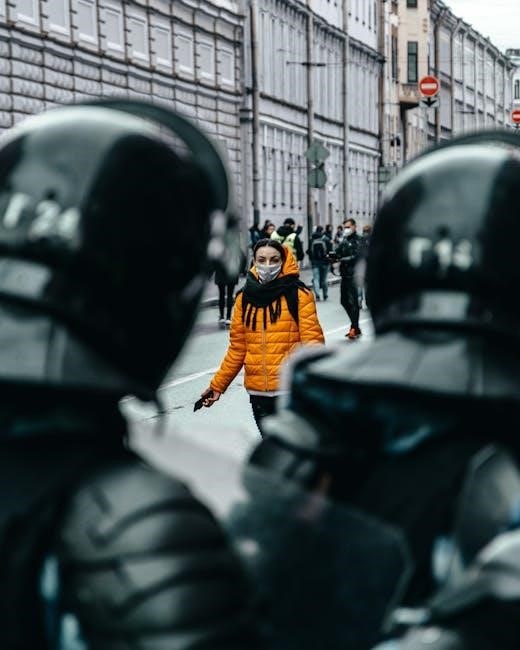
Digitalization and Surveillance
Modern policing increasingly relies on digital tools and surveillance technologies, raising concerns about data privacy and potential abuses, as explored in relevant PDFs.
Mass Surveillance Measures and Their Consequences
The proliferation of mass surveillance technologies presents significant challenges to civil liberties and individual privacy. Research, including analyses found within relevant PDFs, demonstrates the potential for these measures to have far-reaching social consequences. Maras (2012) highlights the societal impacts stemming from widespread surveillance, questioning what occurs when such practices become commonplace.
These consequences extend beyond privacy concerns, potentially chilling free speech and assembly; The collection and analysis of vast datasets raise questions about algorithmic bias and the potential for discriminatory policing practices. Furthermore, the effectiveness of mass surveillance in preventing crime remains a subject of debate, with critics arguing that it often yields limited results while imposing substantial costs on society. Balancing security needs with fundamental rights is a critical challenge in the digital age.
The Use of Technology in Crime Prevention
Modern policing increasingly relies on technological advancements to enhance crime prevention efforts. From data analytics and predictive policing algorithms to sophisticated surveillance systems, technology offers new tools for law enforcement agencies. However, the integration of these technologies is not without its challenges.
The effectiveness of predictive policing, for example, is debated, with concerns about potential biases embedded within the algorithms used. Ensuring fairness and transparency in the application of these technologies is crucial. Furthermore, the rapid pace of technological change necessitates continuous adaptation and investment in training for law enforcement personnel. Successfully leveraging technology requires a careful consideration of ethical implications and a commitment to protecting civil liberties alongside public safety.
Data Privacy Concerns in Modern Policing
The expansion of data collection and analysis in modern policing raises significant data privacy concerns. Mass surveillance measures, while potentially effective in crime prevention, can infringe upon individual rights and freedoms. The storage and use of personal data by law enforcement agencies must be subject to strict regulations and oversight to prevent abuse.
Concerns exist regarding the potential for data breaches, misuse of information, and the creation of profiles based on incomplete or inaccurate data. Balancing the need for effective law enforcement with the protection of individual privacy is a critical challenge. Transparency in data handling practices and robust accountability mechanisms are essential to maintain public trust and ensure responsible policing in the digital age.
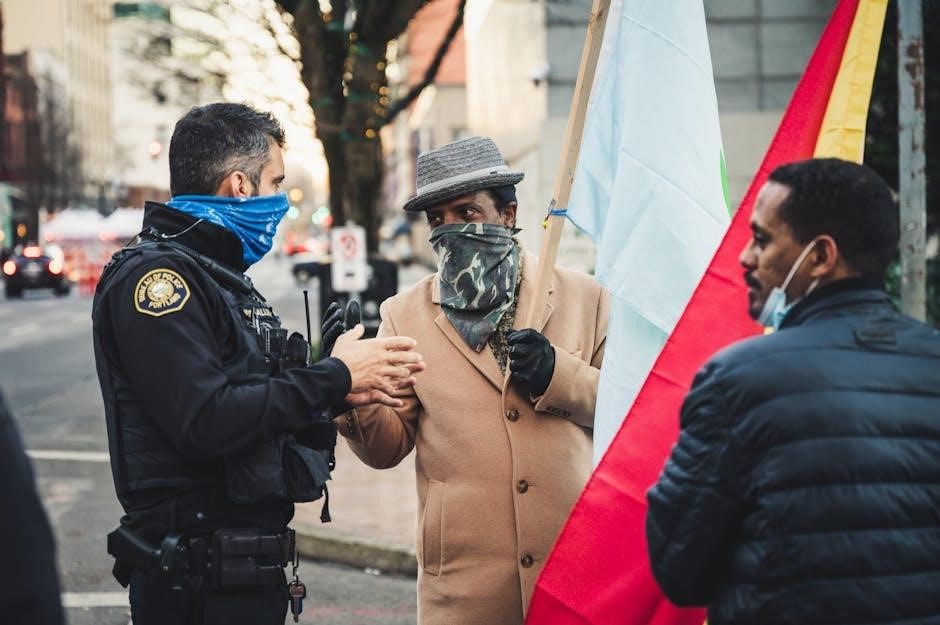
European Union Internal Security Space
The EU Internal Security Space fosters police cooperation across borders, addressing cross-border crime through unified policies and information sharing initiatives.
Police Cooperation within the EU
Effective police cooperation within the European Union is paramount for addressing transnational criminal activities. This collaboration relies heavily on information exchange, joint operations, and the harmonization of legal frameworks across member states. The EU facilitates this through mechanisms like Europol, providing a central platform for sharing intelligence and coordinating investigations.
However, challenges persist, including differing national laws, bureaucratic hurdles, and concerns regarding data privacy. The collective security space aims to streamline these processes, fostering a more unified and responsive approach to threats like terrorism, cybercrime, and organized crime. Recent initiatives focus on enhancing cross-border data access and strengthening joint investigation teams, ultimately bolstering the EU’s internal security capabilities.
Cross-Border Crime and Law Enforcement
The increasing globalization of criminal activity necessitates robust cross-border law enforcement cooperation. Transnational organized crime, including human trafficking, drug smuggling, and cybercrime, poses significant challenges to national jurisdictions. Effective responses require seamless information sharing, coordinated investigations, and mutual legal assistance treaties between countries;
The EU Internal Security Space actively promotes this collaboration, but obstacles remain. Differing legal systems, language barriers, and varying levels of technological sophistication can hinder joint efforts. Furthermore, concerns about data protection and national sovereignty sometimes impede the free flow of information. Addressing these issues is crucial for effectively combating cross-border crime and ensuring the security of citizens across national boundaries;
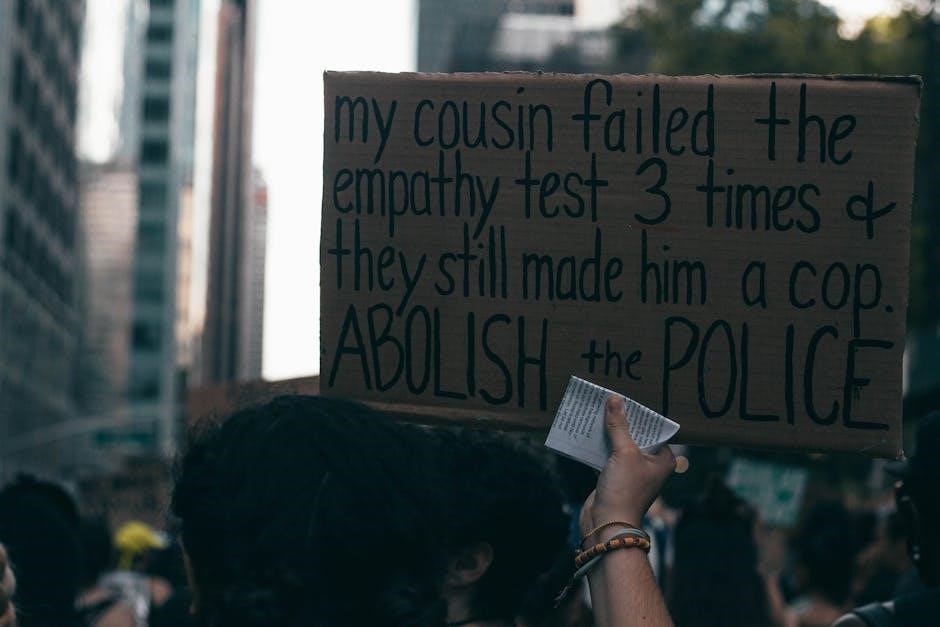
Contemporary Research in Russian Law and Policing
Russian legal scholarship examines law enforcement through sociological, economic, and societal lenses, analyzing policing practices and their impact on citizens and legal frameworks.
Sociological Perspectives on Law Enforcement
Sociological studies of Russian law enforcement delve into the complex interplay between police actions, societal norms, and public perceptions. Research, often framed within the “law and society” tradition, investigates how social structures and inequalities influence policing practices and outcomes. This perspective acknowledges that law enforcement isn’t a neutral entity, but rather operates within a web of social forces.
Contemporary research explores how factors like socioeconomic status, ethnicity, and geographic location impact interactions with the police. It also examines the social consequences of policing strategies, including mass surveillance and data-driven approaches. Understanding these sociological dynamics is crucial for developing effective and equitable policing policies, addressing issues of trust, and fostering positive community relations. The field seeks to understand not just what the law is, but how it functions in real-world social contexts.
Law and Economics in Policing
The application of economic principles to law enforcement, a growing field, analyzes the costs and benefits of various policing strategies. This approach seeks to optimize resource allocation, evaluating the efficiency of different interventions in crime prevention and control. Research considers factors like the cost of police personnel, technology investments, and the economic impact of crime on communities.
Law and economics in policing also examines the incentives faced by both law enforcement officers and potential offenders. It explores how legal rules and penalties influence behavior, aiming to design policies that deter crime while minimizing unintended consequences. This perspective often involves quantitative analysis, using data to assess the effectiveness of different approaches and inform evidence-based decision-making within police departments. Ultimately, it strives for a more rational and efficient allocation of resources in the pursuit of public safety;

Future Trends in Policing
Predictive policing, community trust-building, and advanced officer training are key future areas. Adapting to digital society and evolving threats demands innovative strategies and ethical considerations.
Predictive Policing and its Ethical Implications
Predictive policing, leveraging data analysis to anticipate crime, presents significant ethical dilemmas. While promising enhanced efficiency and resource allocation, its reliance on algorithms raises concerns about algorithmic bias and potential for discriminatory practices.
Data-driven approaches, if not carefully monitored, can perpetuate existing societal inequalities, disproportionately targeting specific communities.
The mass surveillance measures inherent in some predictive policing models also raise privacy concerns, potentially infringing upon individual rights. Balancing security needs with fundamental freedoms is crucial.
Furthermore, the accuracy and reliability of predictive models are paramount; flawed predictions can lead to unjust interventions and erode public trust.
Ongoing research and robust oversight are essential to mitigate these risks and ensure responsible implementation of predictive policing technologies.
Community Policing and Building Trust
Rebuilding trust between law enforcement and the communities they serve is paramount in contemporary policing. Community policing emphasizes collaborative partnerships, proactive problem-solving, and genuine engagement with residents. This approach moves beyond traditional reactive policing, fostering positive relationships and mutual respect.
Addressing historical grievances and acknowledging past misconduct are vital steps in repairing fractured trust. Transparency, accountability, and responsiveness to community concerns are essential components of successful community policing initiatives.
Investing in de-escalation training, promoting diversity within police forces, and prioritizing community input in policy development can further strengthen these bonds. Ultimately, a focus on building trust enhances public safety and improves the overall effectiveness of law enforcement.
The Future of Police Training and Education
The evolving landscape of policing demands a significant overhaul of traditional training and education models. Future training must prioritize de-escalation techniques, crisis intervention skills, and implicit bias awareness. Emphasis should be placed on psychological resilience, equipping officers to cope with the stresses and traumas inherent in the profession, as highlighted in contemporary research.
Integrating sociological perspectives, legal updates related to digital society, and ethical considerations into curricula is crucial. Scenario-based training, utilizing virtual reality and simulations, can provide realistic experiences for officers to practice decision-making in complex situations. Continuous professional development, focusing on community engagement and human rights, will be essential for fostering a more effective and accountable police force.